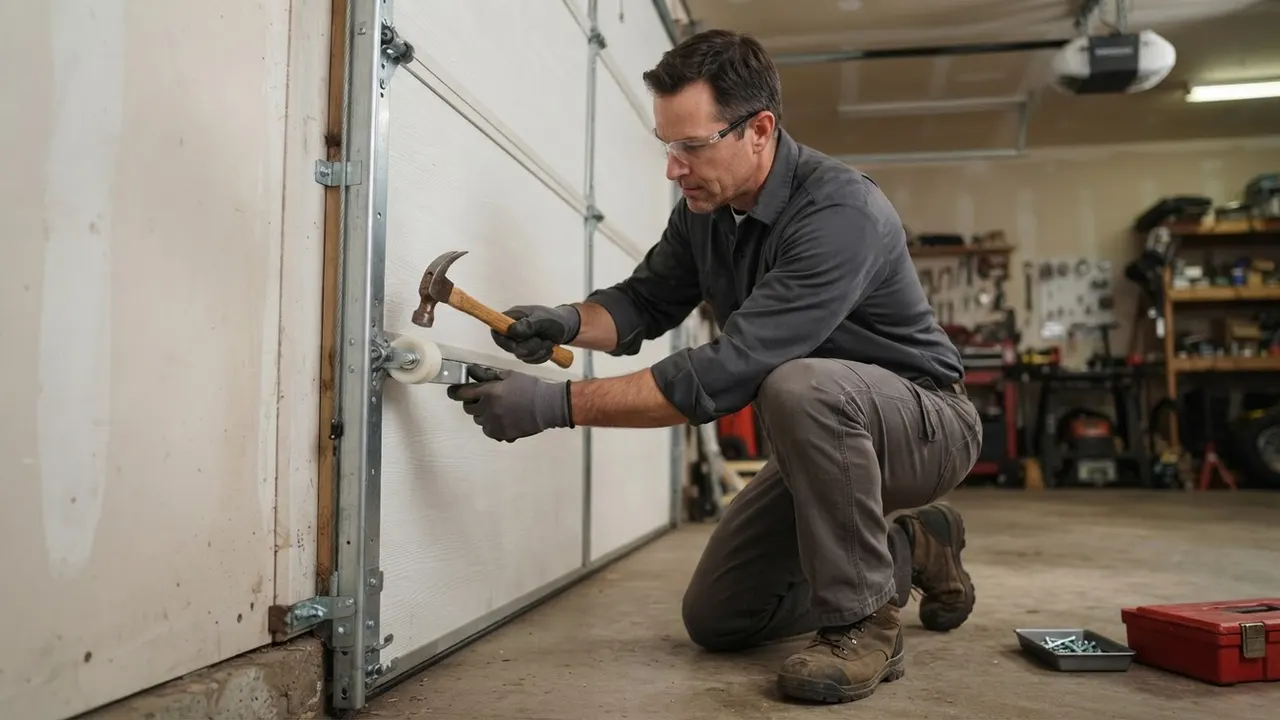
Panel measurements
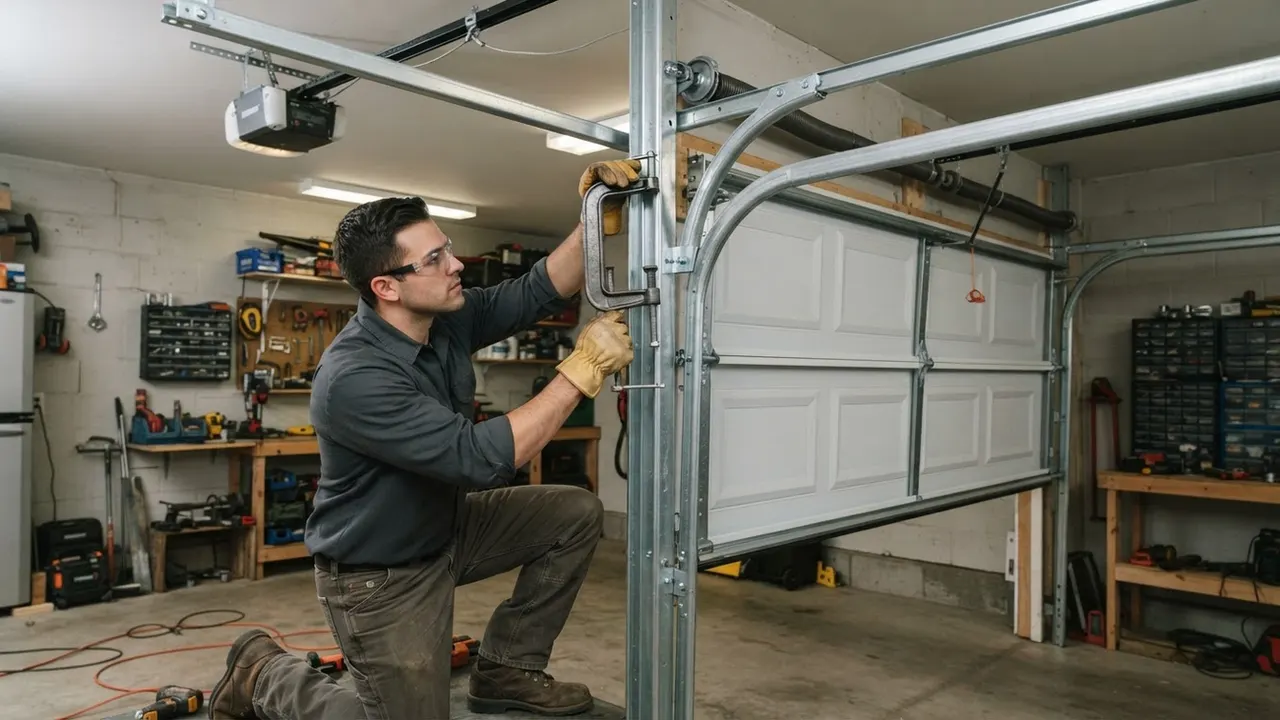
Section dimensions and clearance points checked.
Our garage door insulation Selma AL service helps homeowners and property managers reduce heat moving through uninsulated garage panels. We inspect the door, measure each section, and fit insulation without obstructing hinges, tracks, or the opener. If your garage sits below a living space, stores temperature-sensitive items, or faces long Alabama summers, we explain practical options and help you choose an approach suited to your door.
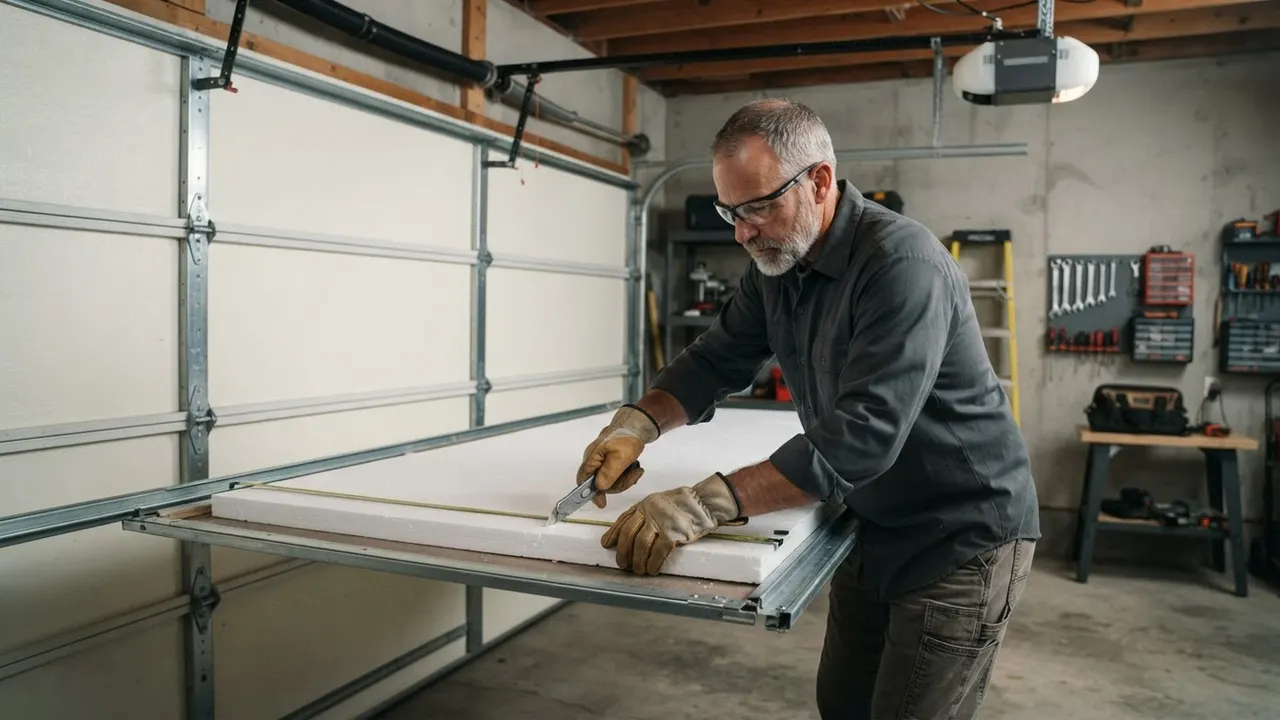
Our service covers a door-condition check, panel measurements, fitting of suitable insulation, and operational testing afterward. We protect moving hardware and confirm the added material clears hinges and tracks. Repairing damaged panels, replacing springs, installing new weather seals, or upgrading an opener are separate needs; we identify them clearly rather than hiding them beneath insulation work.
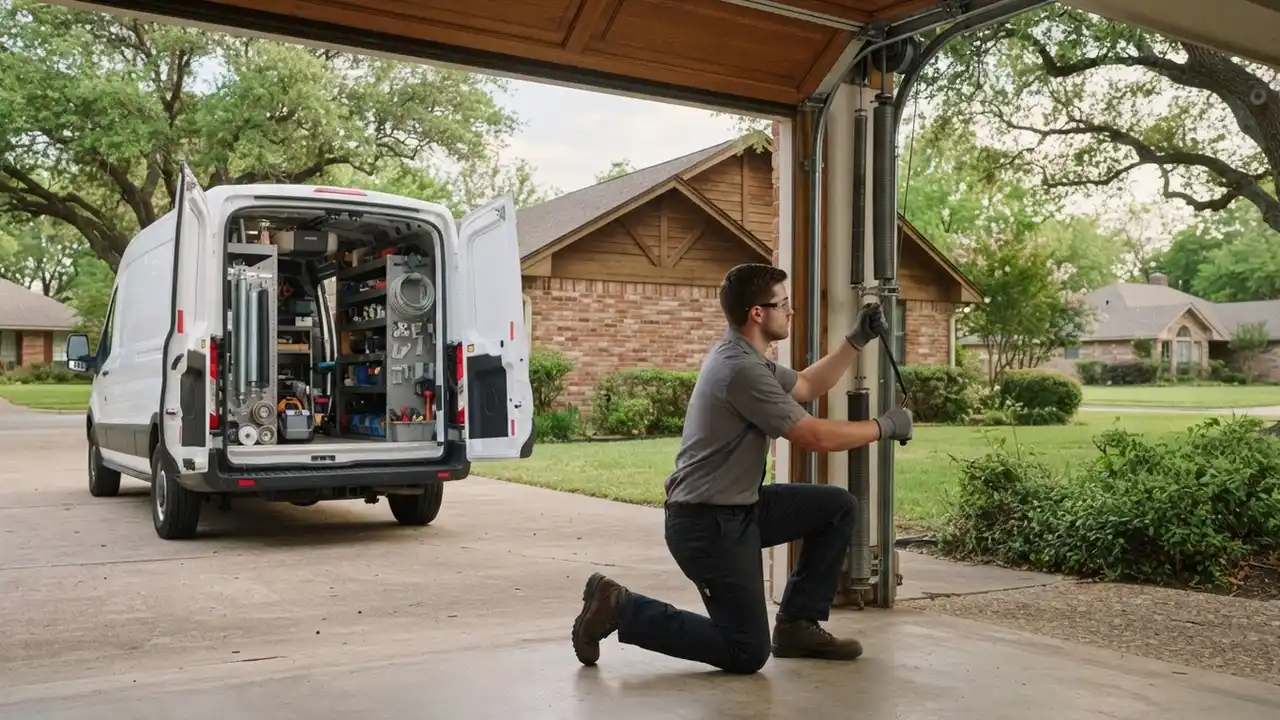
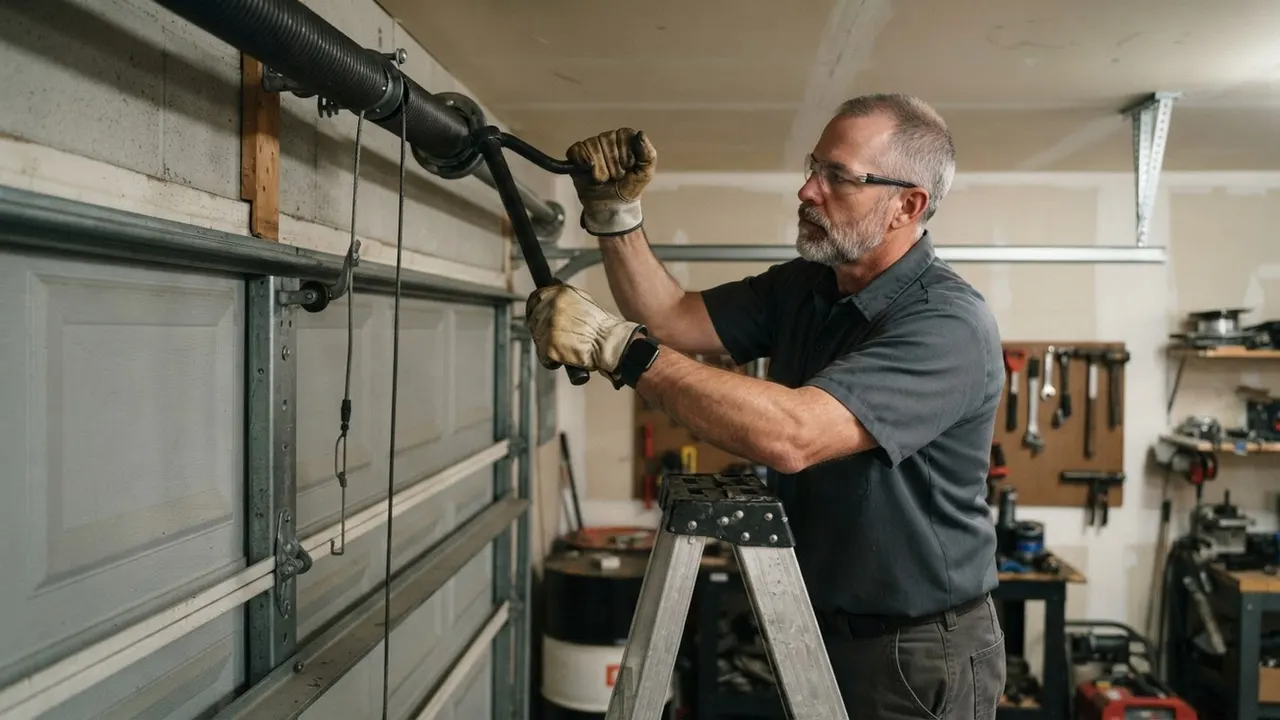
We fit insulation to compatible home garage doors after checking panel depth, balance, and hardware clearance. You get a practical improvement suited to how your household uses the garage.
We assess commercial garage doors by panel construction, cycle frequency, and access needs. Property owners and managers receive a fitting approach that keeps the door operating through normal use.
garage door insulation Selma AL is a retrofit improvement that adds insulating material to compatible garage door panels to slow heat transfer and reduce drafts. We first check the door's construction, balance, panel depth, and operating hardware; then we select a suitable insulation method and fit it section by section. The work must preserve clearance at hinges and track rails, avoid excess weight that strains the opener, and leave room for the door to flex. We finish by checking movement, fasteners, and the perimeter seal.
Selma's hot, humid summers can turn a metal garage door into a radiant heat source, especially when afternoon sun reaches west-facing doors. Our Selma garage door insulation service is useful for garages below bedrooms, workshops, and storage areas where temperature swings affect comfort or stored belongings. If you searched for garage door insulation near me Selma AL, we can assess panel condition, worn weather seals, and door balance together, then recommend insulation only when the existing door can safely carry it.
Measure each panel, protect moving hardware, and test the door after fitting.
Garage door insulation installation in Selma follows a measured sequence that protects door balance and opener function. We inspect first, explain the fit, complete the panel work, and test the door before wrapping up. Most straightforward residential projects take a few hours; the exact time depends on door size, panel design, and any hardware corrections.
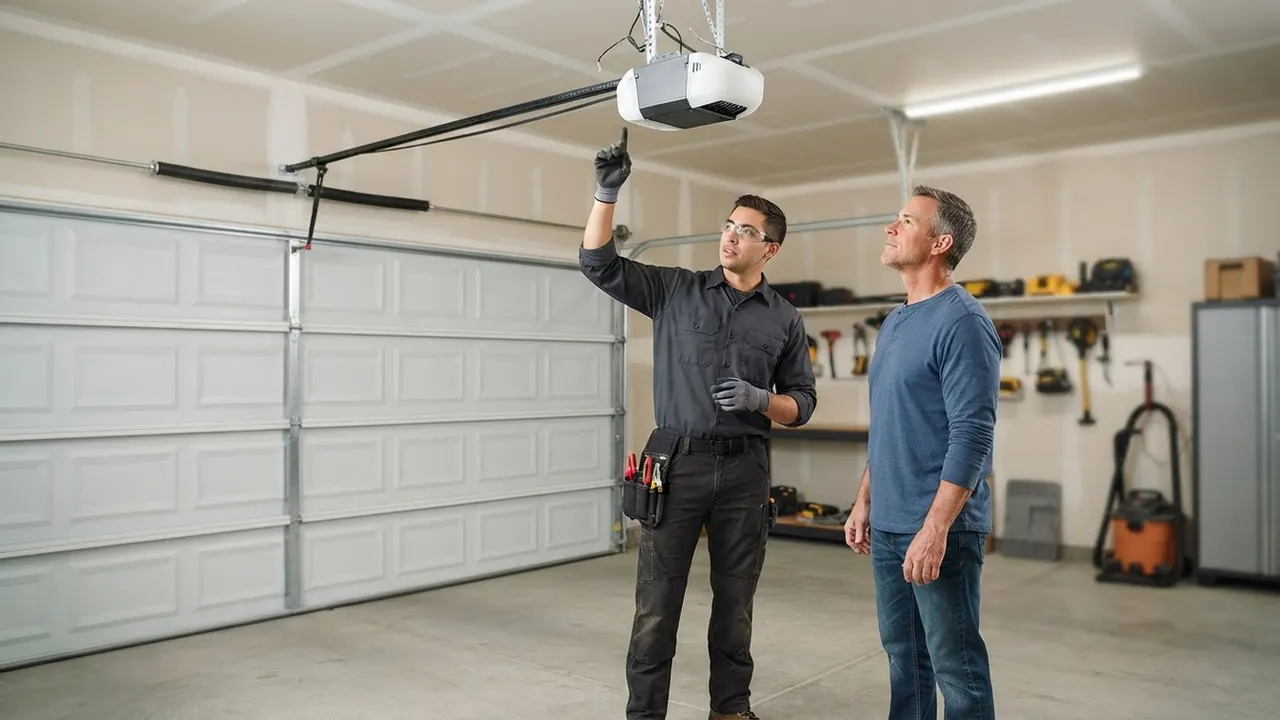
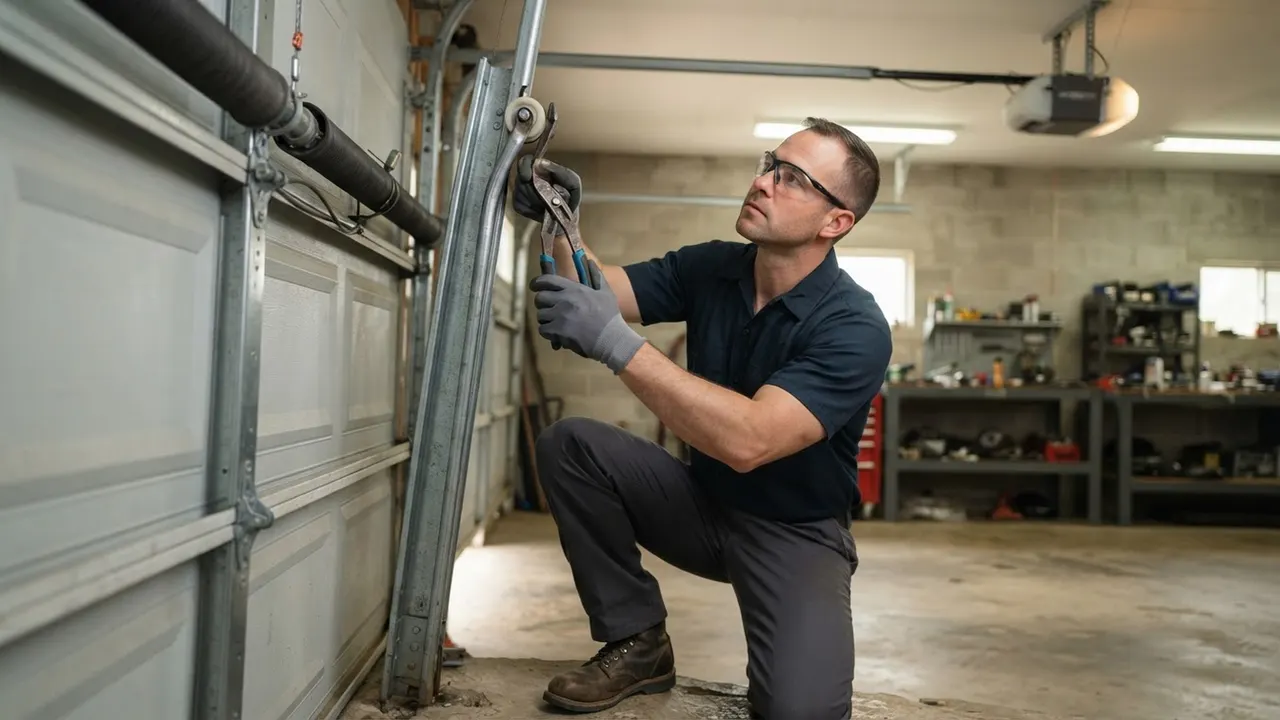
We examine your door from inside and outside, identify its material and panel profile, and look for dents, corrosion, loose hinges, or moisture damage. We also check the springs, cables, rollers, and opener operation because insulation adds weight. This first visit usually takes 20 to 30 minutes, giving you a clear answer about compatibility before materials are fitted.
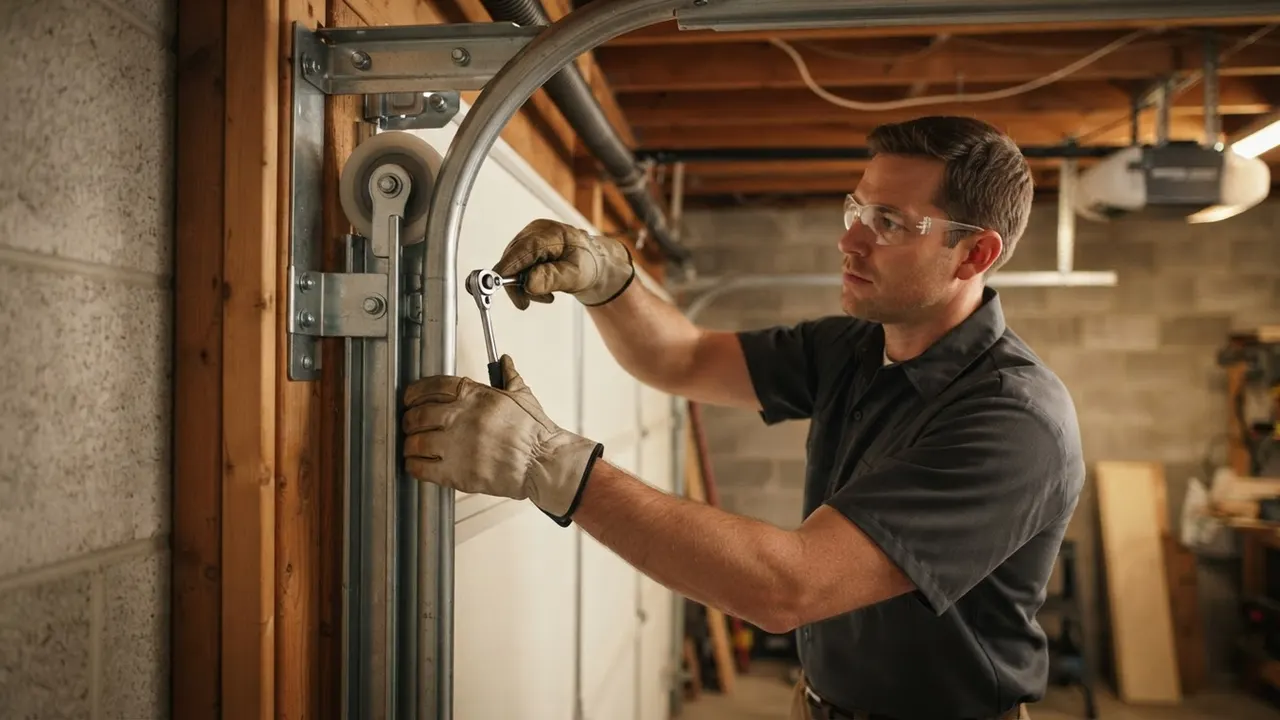
Our technician measures the width, height, and usable depth of each panel, including clearance around braces and hardware. A tape measure and level help confirm consistent dimensions; we mark areas where insulation could interfere with a hinge or latch. You see how the material will sit and where edge gaps need careful trimming.
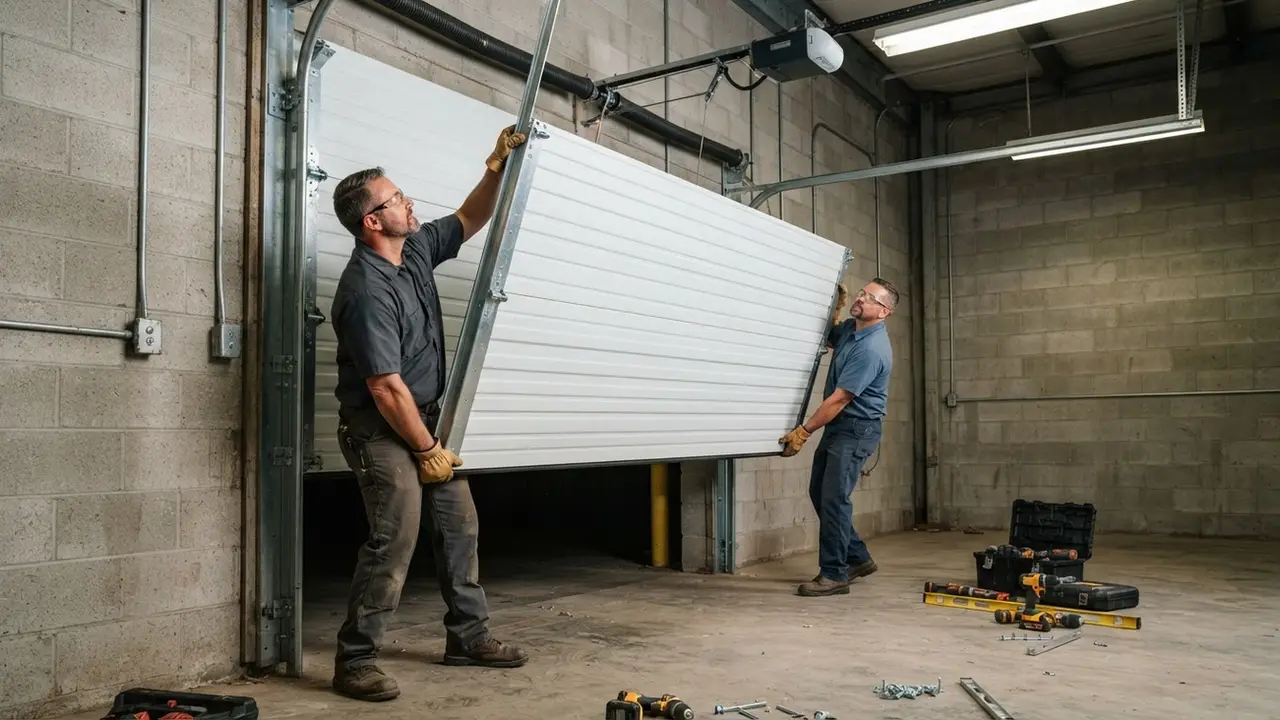
We secure the door in a safe position and clean the panel surfaces so attachment points hold properly. If a section has a dent that compromises fit or a loose hinge, we address that concern before covering it. Clamps and hand tools keep the material controlled while we shape it around panel contours and bracing.
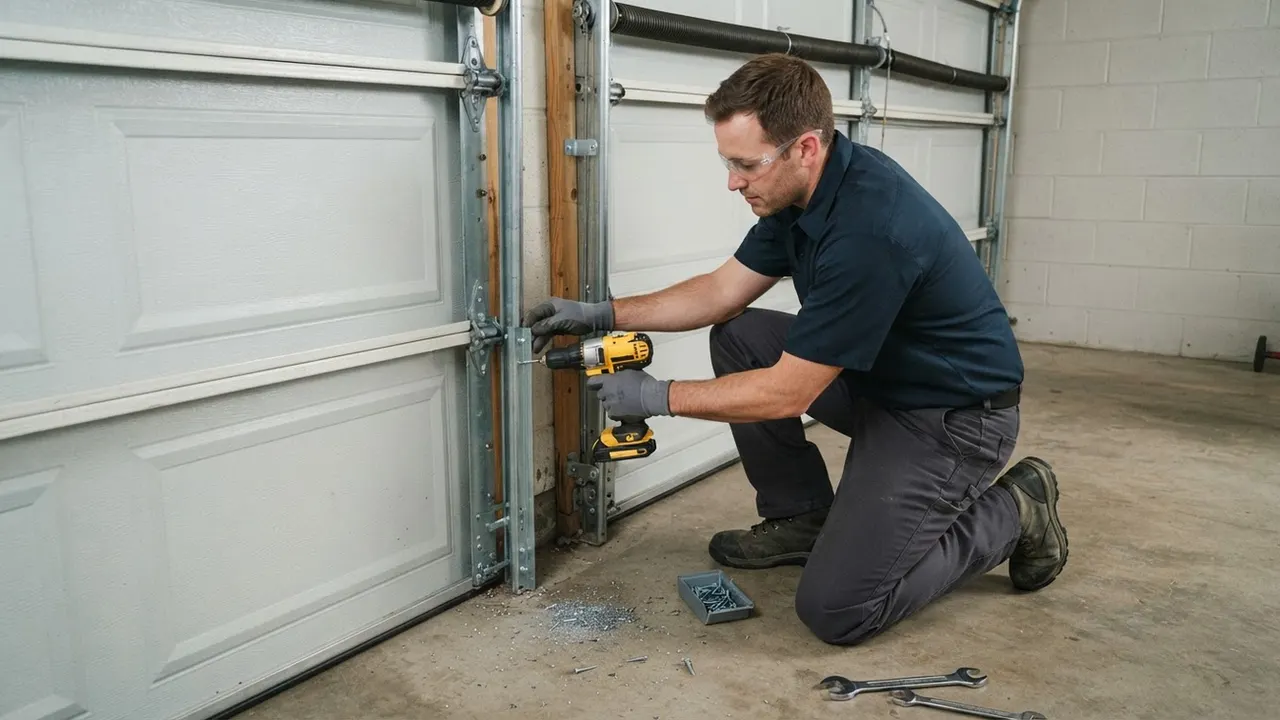
We cut and install the selected insulation panel by panel, keeping the material clear of hinges, rollers, and moving joints. Fasteners or retainers are fitted according to the door design, without blocking drainage paths or creating sharp exposed edges. A typical single residential door often takes two to four hours when no repairs are needed.
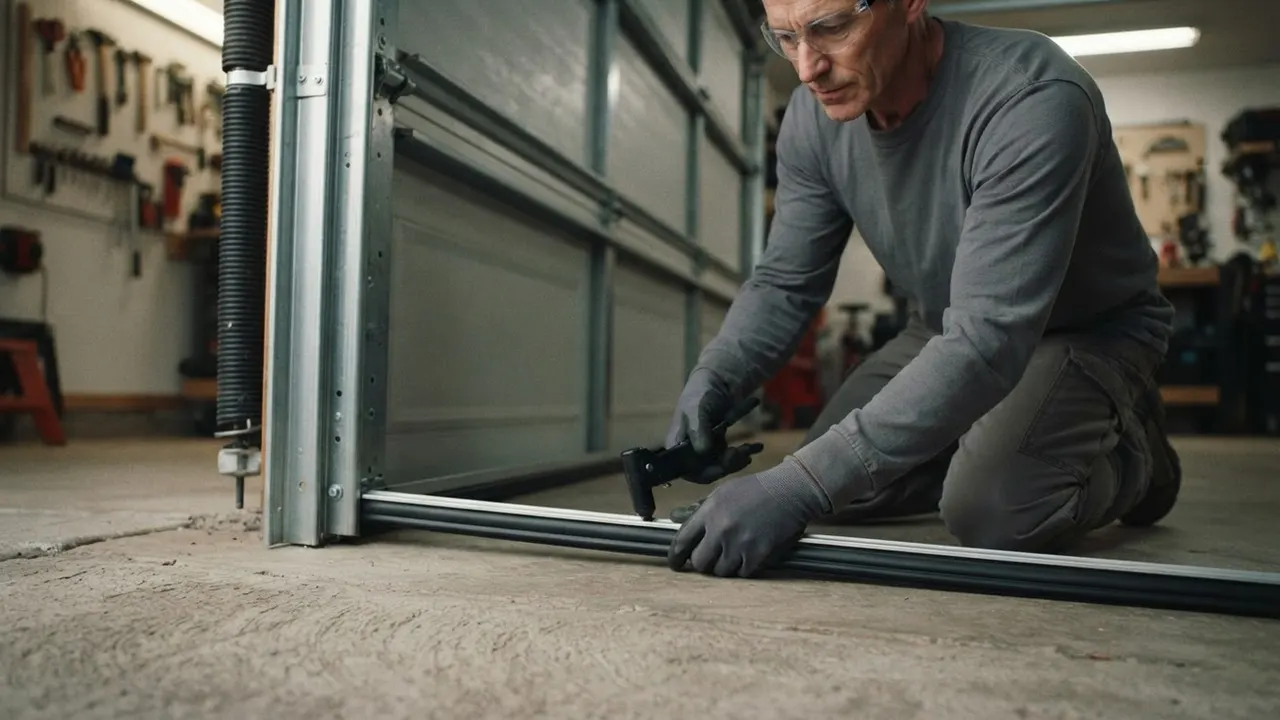
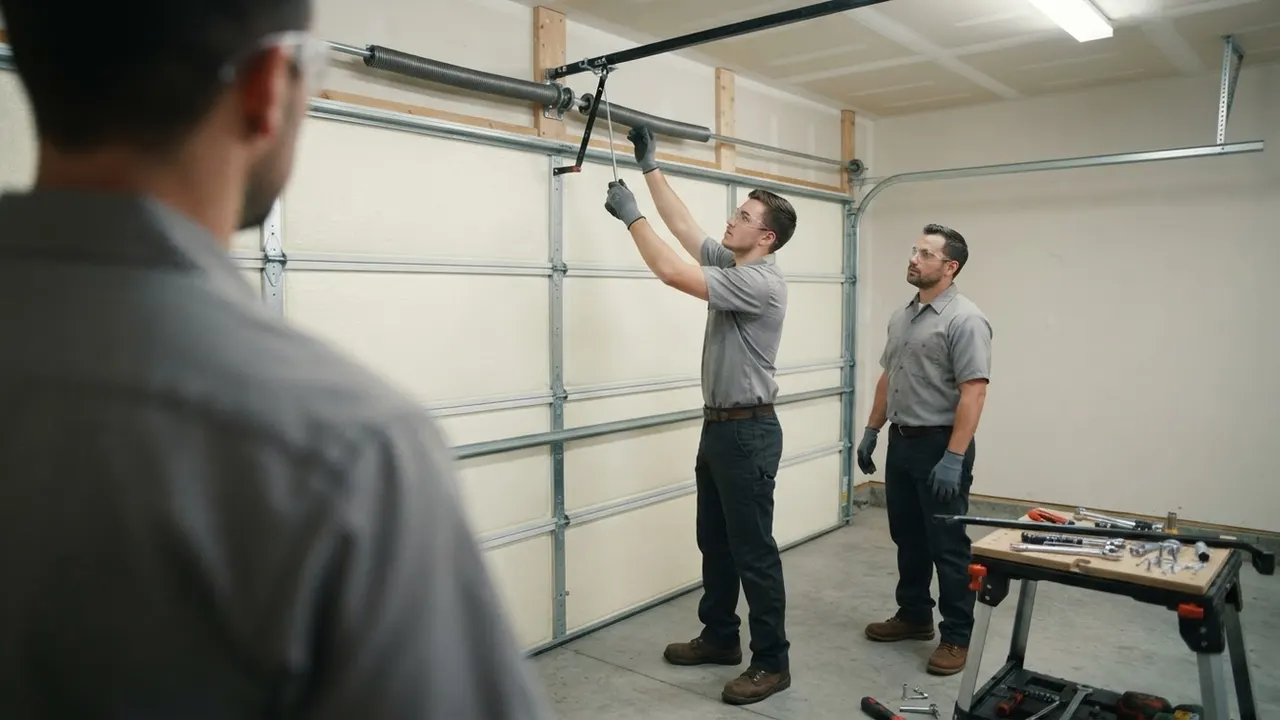
After installation, we reconnect and operate the door through several full cycles, watching for rubbing, uneven travel, or opener strain. We check the balance and confirm that safety sensors still respond. You receive a walkthrough of what was installed and simple care instructions, including what to watch for during the first week of use.
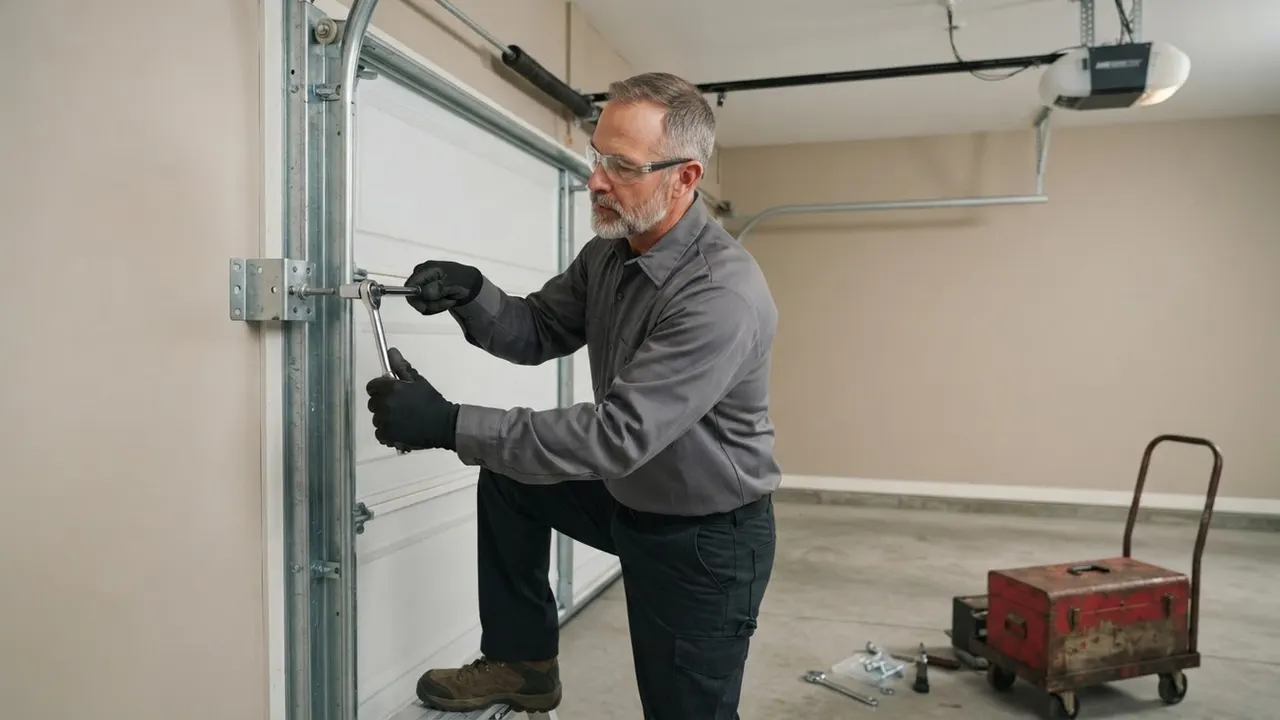
We use these to measure panel openings, confirm consistent fit, and check alignment before cutting insulation for each section.
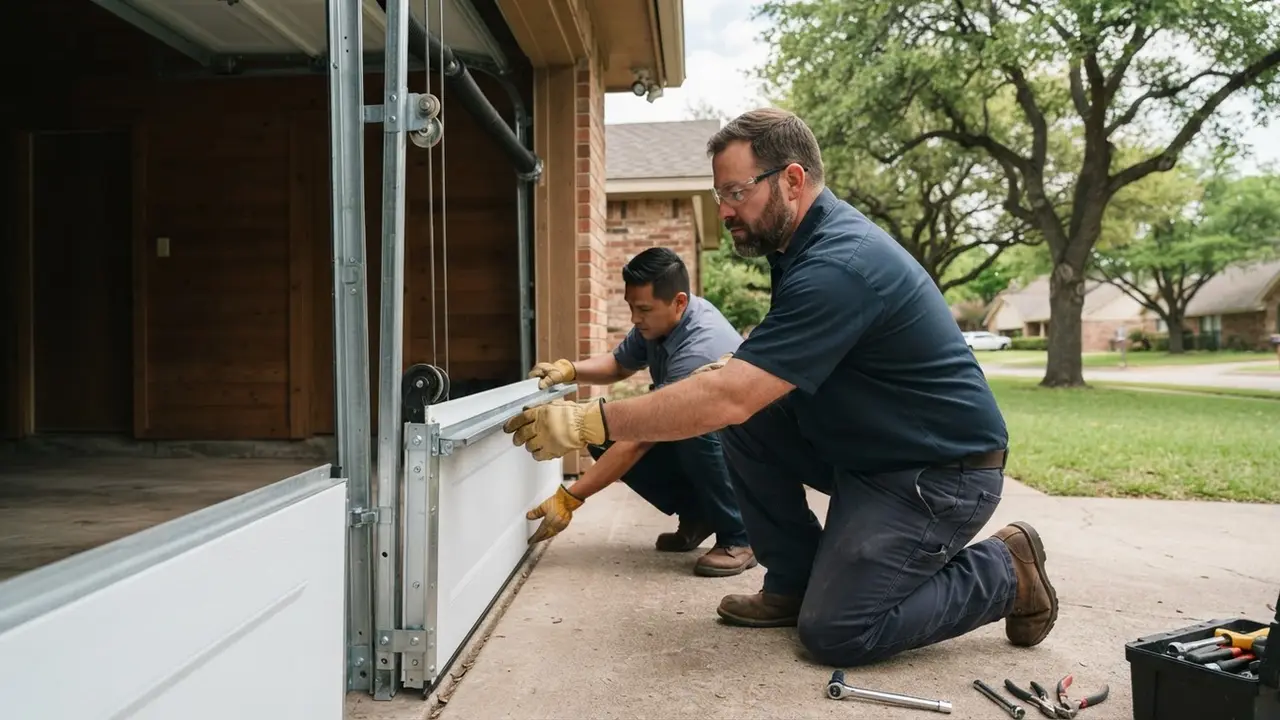
A controlled drill helps secure approved retainers or fasteners where the door design allows, while keeping attachment points away from moving joints.
We use sockets to check accessible hardware and make appropriate adjustments without disturbing spring components or other high-tension parts.
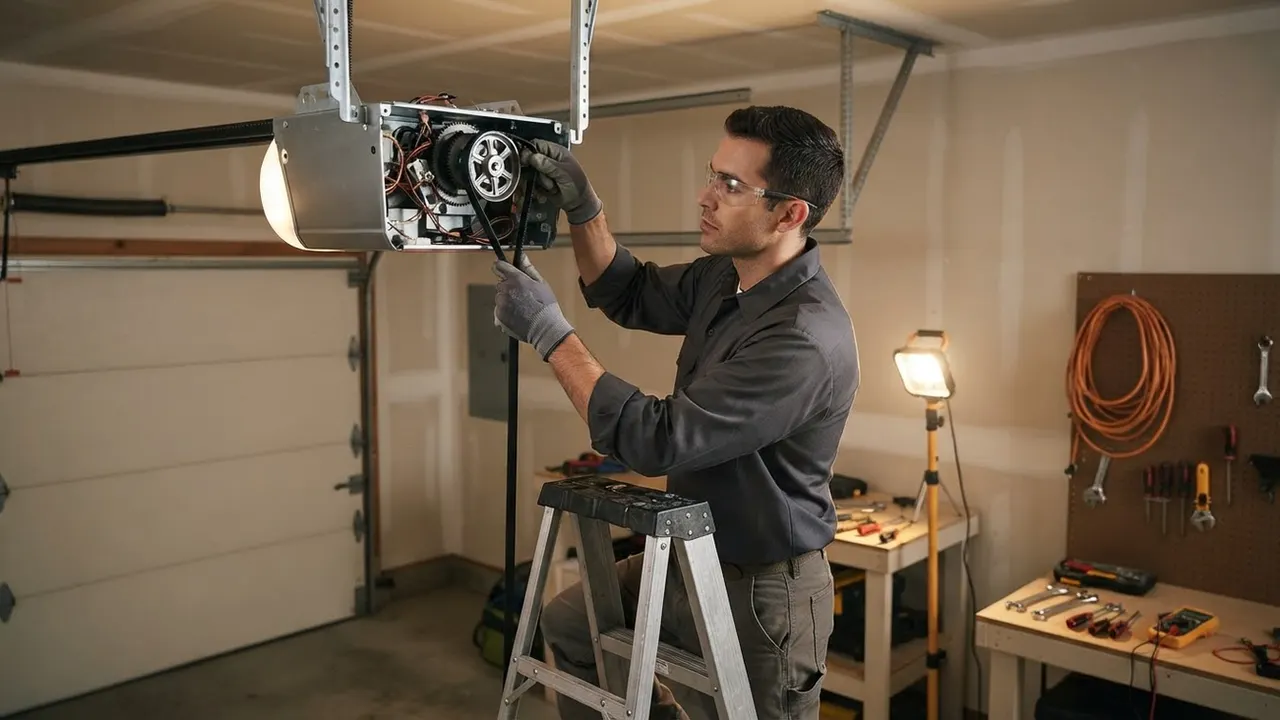
Clamps hold material in position during fitting, helping us trim and secure each panel without shifting the insulation into hinge or track clearance.
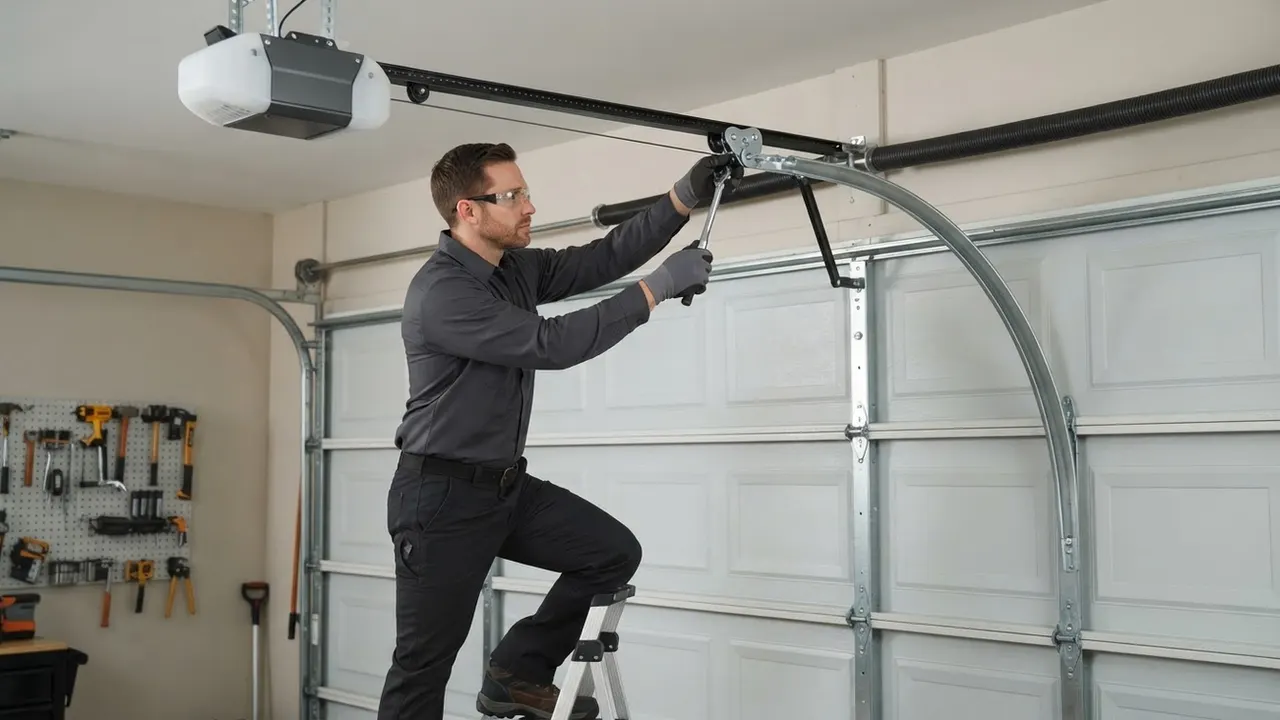
We use screwdrivers for panel retainers and accessible fasteners, selecting the correct tip to reduce stripping and avoid damaging the door surface.
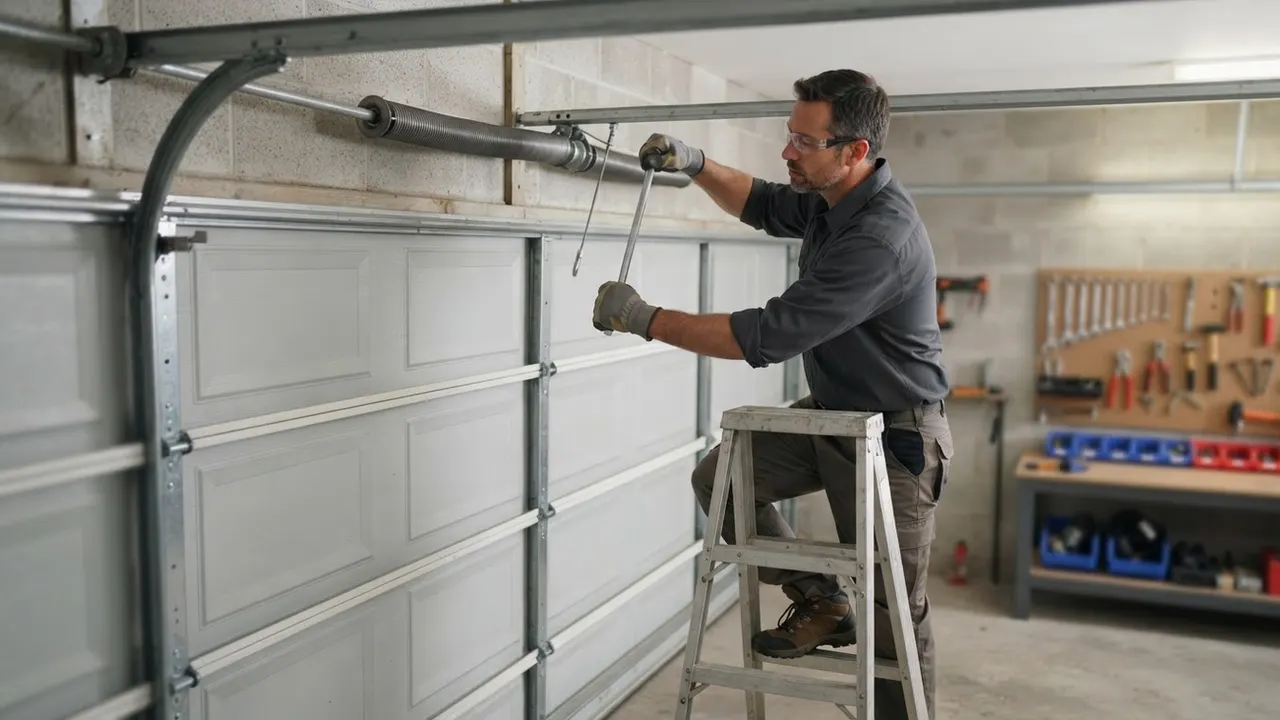
We measure each section instead of assuming all panels are identical. Material is cut to the usable panel space and kept clear of hinges, braces, labels, and moving joints. This approach reduces loose edges and preserves the door's ability to articulate as it travels.
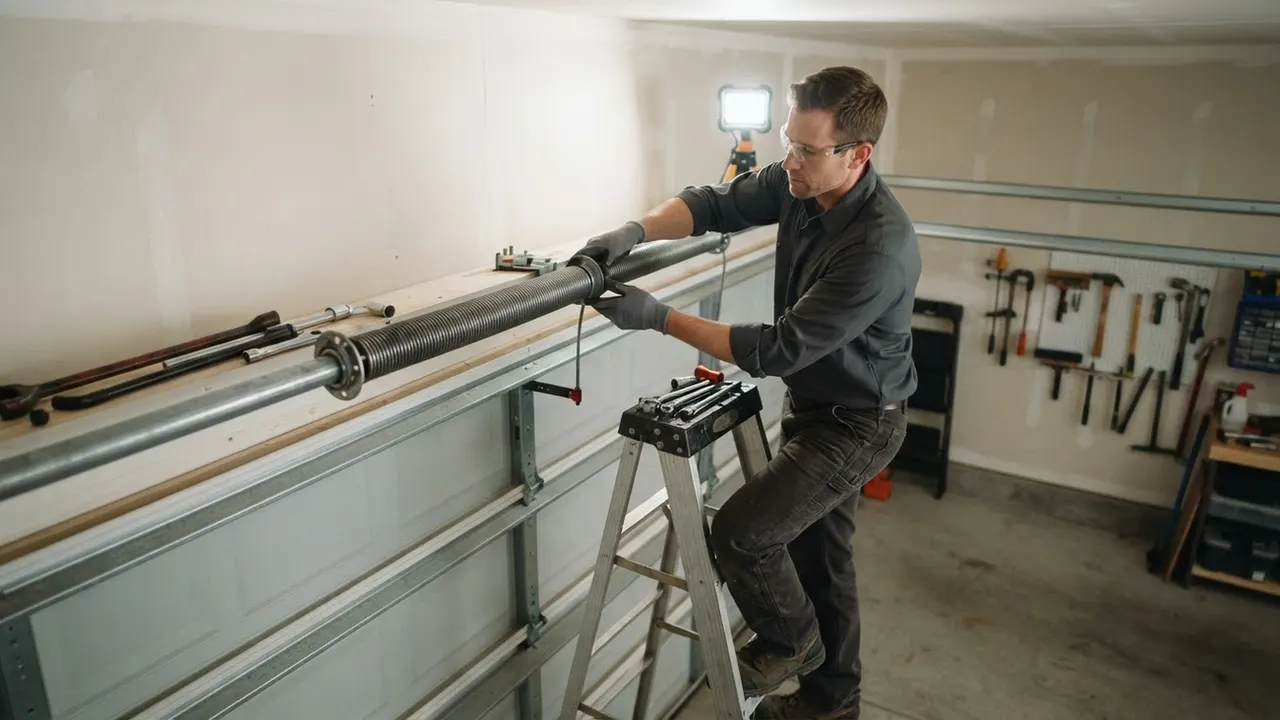
Before and after installation, we observe the door's balance and movement through a full cycle. We check spring response, roller travel, opener effort, and sensor operation. Any binding or unexpected strain is investigated before we consider the work complete.
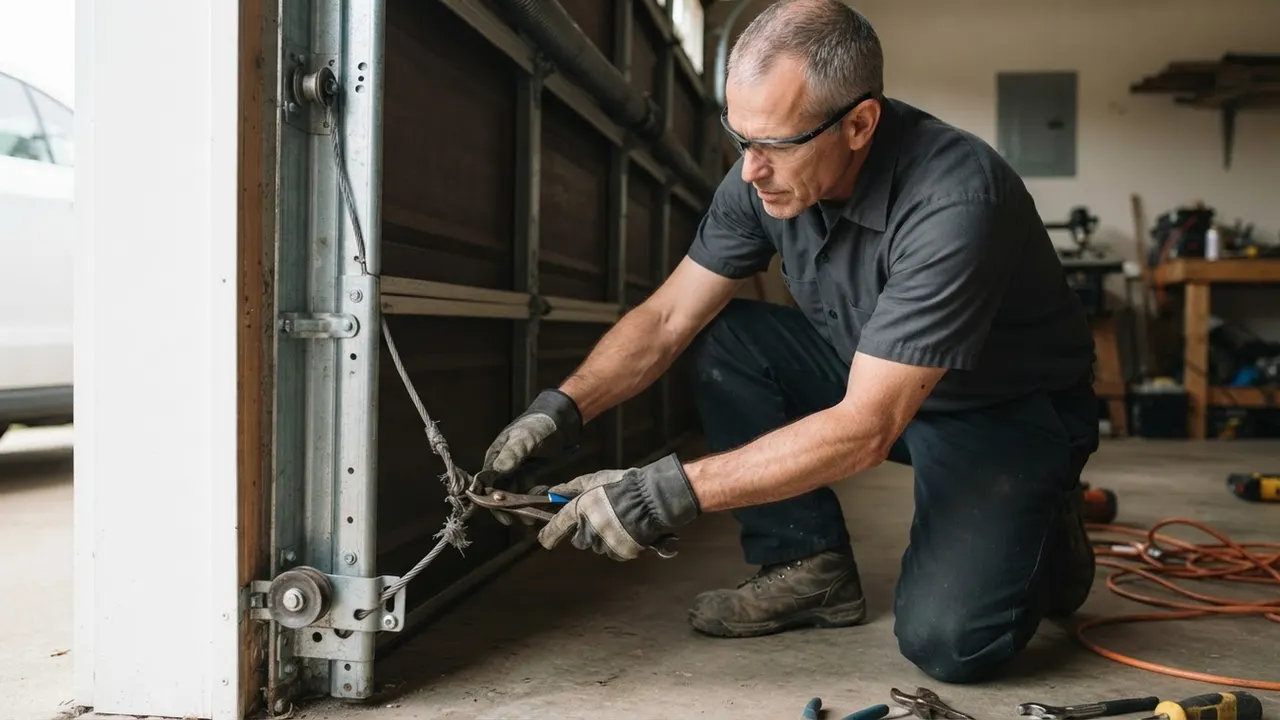
We inspect the side, top, and bottom edges for visible gaps that could bypass insulated panels. We identify damaged weather seals and explain their separate role in limiting drafts and water entry. The door is then tested against the floor and frame for consistent contact.
We inspect panel condition, door balance, and perimeter seals, then measure the sections for a suitable retrofit. We explain how sun exposure and air gaps affect results, and fit material only if the door can carry the added weight safely. The panels become a slower route for afternoon heat, and you know which remaining drafts or room-to-garage gaps need separate attention.
We check the door's dimensions, available panel depth, hinges, and track clearance. After installing insulation, we cycle the door and inspect the attachment points. We also discuss ventilation, since insulation does not remove heat already trapped in the room. The garage door contributes less heat to the workshop, while the owner gets realistic expectations about airflow and indoor temperature.
We listen to the door during operation and check rollers, hinges, and panel vibration separately. If the panels are responsible and compatible, we fit insulation securely; if hardware is the source, we identify that repair before proceeding. The door's hollow resonance can be reduced without masking a mechanical fault, and the system is tested for smooth movement.
We assess door construction, exposure, and existing bottom and side seals. We measure each panel and install a suitable material where clearance allows, then test the door. We explain that sensitive goods may still need climate-controlled storage. Temperature changes through the panels can become less abrupt, and you have a clear picture of the upgrade's limits.
Selma's long, humid summers and strong afternoon sun make door exposure an important part of an insulation assessment. We ask which direction the garage faces, whether it sits below living space, and how often the door cycles. In older properties around Downtown Selma and the Selma Historic District, panel profiles and available clearances can differ from newer construction, so we measure the actual door rather than assume a standard fit. Our garage door insulation Selma AL work includes a check for corrosion, dents, loose hinges, and weather-seal gaps before we add material. We also account for the door's springs and opener capacity; added weight must not compromise movement or safety. If you searched for insulated garage door panels Selma Alabama, we can explain retrofit options and when panel replacement makes more sense. We serve Dallas County, including Selma addresses in ZIP codes 36701, 36702, and 36703. After installation, we cycle the door and verify clear travel, balance, and sensor response so the insulation does not interfere with daily operation.
A west-facing single door had thin steel panels that became hot by midafternoon. The attached garage felt uncomfortable, and the homeowner noticed heat near the adjoining room. The door also had a worn bottom seal, so insulation alone would not have addressed every source of heat and air movement.
We fitted insulation to the compatible panels, kept material clear of the hinges, and addressed the bottom seal as a separate task. The door completed several open-and-close cycles without rubbing. The homeowner reported less intense heat radiating from the panels, with no claim that the garage became climate controlled.
Keep the bottom seal clear of leaves and grit, and check for loose insulation edges during routine cleaning. If the door begins to move unevenly or the opener strains, stop using it and arrange a mechanical inspection.
A double garage door below occupied rooms sounded hollow as it opened. Inspection found panel vibration, but the rollers and hinges also needed checking. Adding insulation without separating those causes could have covered the noise while leaving a mechanical issue untouched.
We confirmed the panels could accept insulation, corrected the hardware concern, and fitted material section by section. The door remained clear of the tracks and completed full cycles. Panel resonance was less noticeable afterward, while the customer understood that opener and roller noise are different issues.
Listen for changes in sound and watch each section during travel. Do not tighten spring hardware yourself. A new scrape, rattle, or uneven gap warrants a service check before the door is operated repeatedly.
A detached workshop in Selmont had a sun-exposed door and stored tools near the panels. The owner wanted a less harsh afternoon workspace but had not checked whether the older door could safely carry extra weight. Several panel braces also reduced the usable insulation space.
We measured around the braces, fitted compatible insulation, and tested the spring balance and opener operation afterward. The owner noticed less direct heat from the door surface, although room temperature still depended on ventilation and outdoor conditions. The panels remained free of binding through repeated cycles.
Keep the workshop ventilated and avoid stacking items against the door's interior panels. Check the door's travel monthly for new friction or sagging, and call for service if balance changes.
If a garage door radiates heat into the space or lets panel vibration echo through an attached home, insulation may address part of the problem. We identify the source first. Insulation cannot correct a spring fault, water leak, or large gap around the door, so we distinguish panel heat transfer from mechanical and sealing issues.
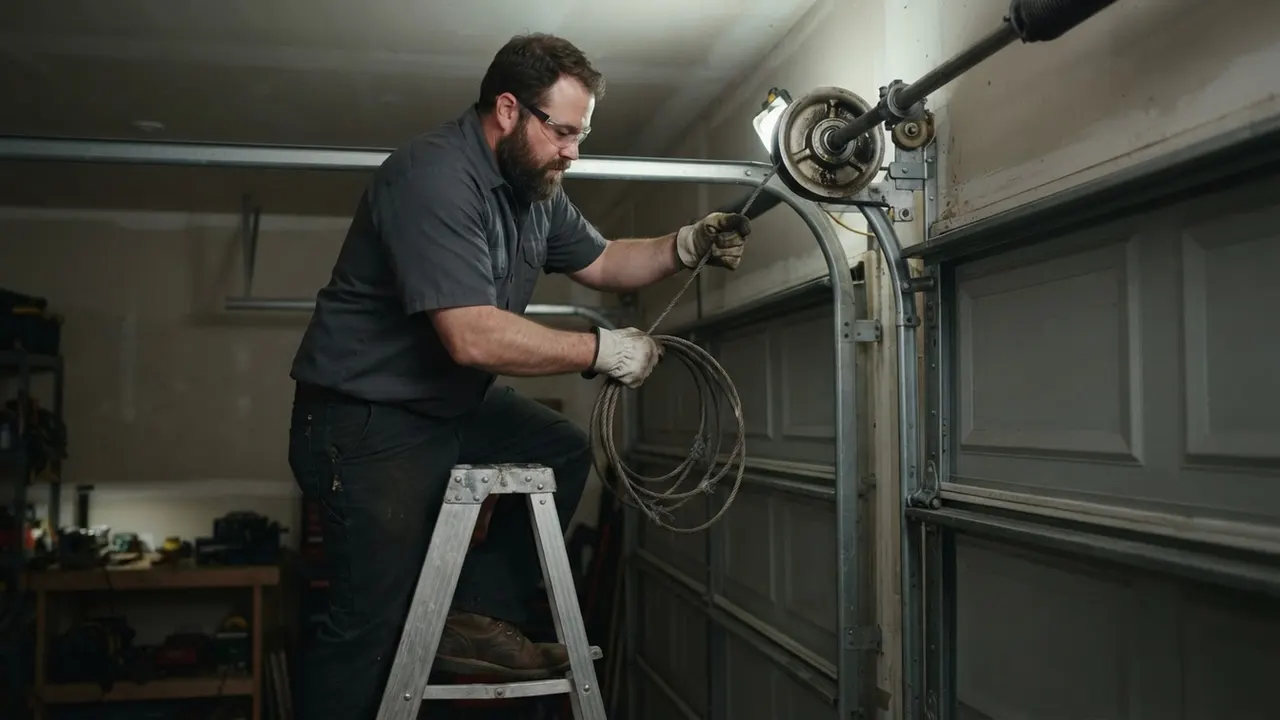
We inspect the door's panel depth and condition, then fit suitable insulation without blocking hinges or braces. We also check whether the door faces strong afternoon sun and whether ventilation or perimeter gaps are contributing. The result is a slower path for heat through the panels, not a promise of a fixed room temperature. The panel surface absorbs afternoon heat and releases it into the garage, affecting nearby rooms and stored items. Repeated heat exposure can make the space unpleasant to use.
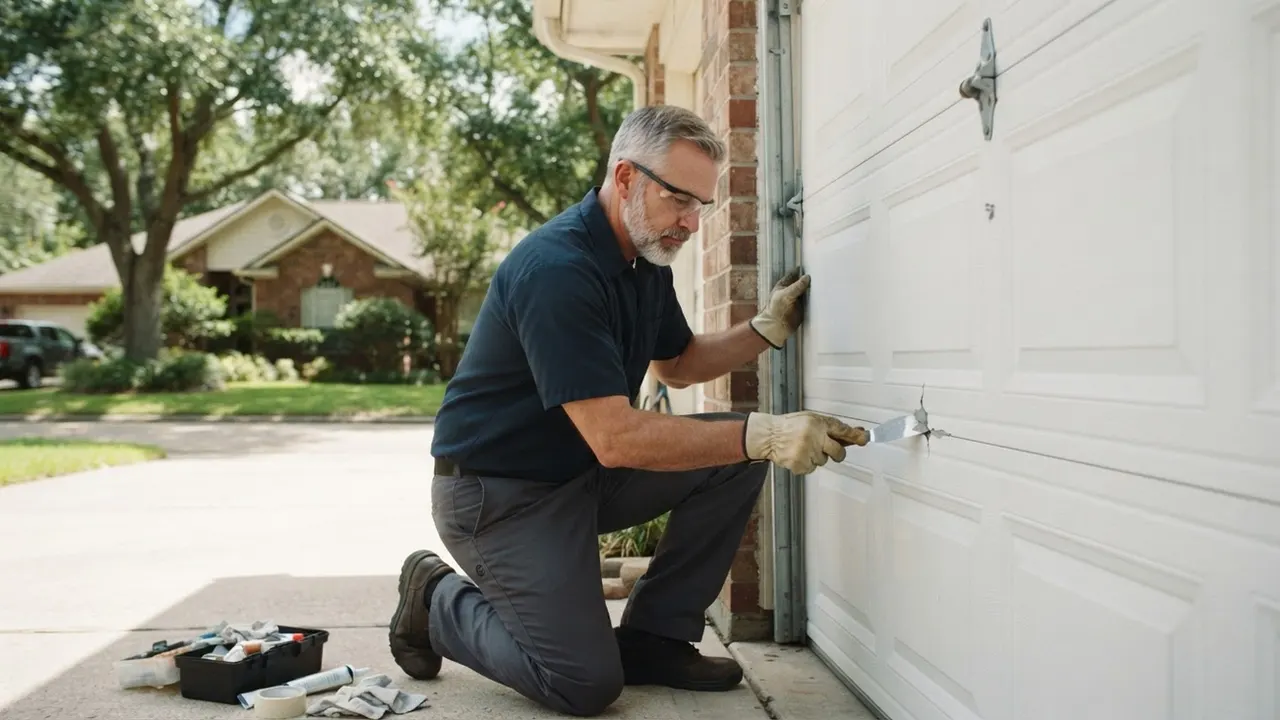
We assess panel construction and the opening's seals, then explain what insulation can improve and what requires separate air sealing. For attached garages, we also look for obvious gaps at the door perimeter. This helps you target the garage door as one part of the home's overall heat-control plan. Hot air in the garage can add to discomfort in adjacent spaces, especially when the door and shared boundaries have little resistance to heat movement.
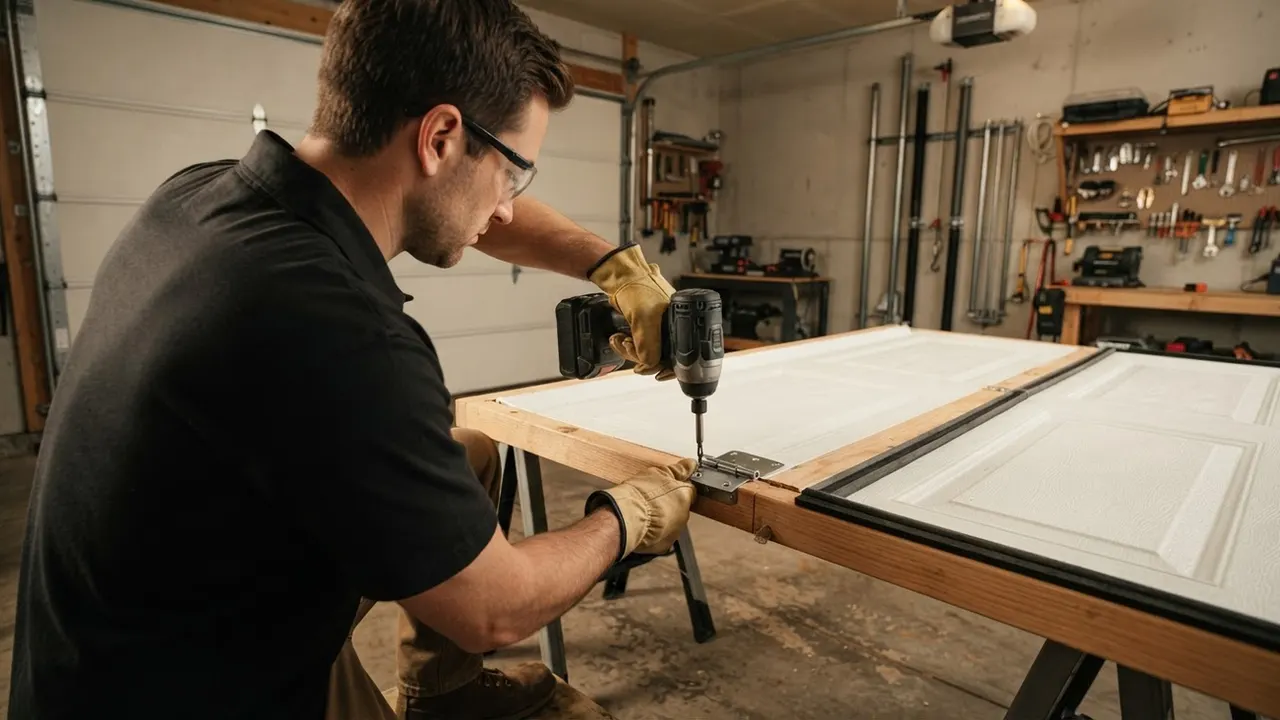
We operate the door and identify whether noise comes from panel vibration or moving hardware. Where panels are suitable, we secure insulation to reduce resonance and keep it clear of joints. If rollers, hinges, or tracks are worn, we explain that repair before fitting material. Panel resonance can add a booming sound as the door travels, while worn rollers or loose hinges can create separate rattles that insulation will not fix.
We discuss what you store and how you use the garage, then assess the door's exposure and panel construction. Insulation can slow temperature changes through the door, while seal or ventilation concerns are handled separately. We set practical expectations so you can judge whether the improvement suits your needs. A garage that heats quickly can become an uncomfortable storage and work area, while insulation alone cannot control humidity or protect items requiring stable temperatures.
A fitted insulation layer slows heat transfer through compatible steel garage door panels, helping reduce the hot-panel effect during sunny afternoons. Results depend on door construction, shade, ventilation, and air leakage around the edges. We check the whole opening so panel insulation is not expected to solve drafts coming through a damaged bottom seal.
When a bedroom or utility room shares a wall or ceiling with the garage, reducing panel heat gain can help limit one source of temperature fluctuation. We inspect the door and nearby gaps before recommending work. Insulation works alongside, not instead of, proper air sealing between the garage and your home's living area.
A properly secured insulation assembly can reduce the hollow, resonant sound of thin panels as the door moves. We also check hinges and rollers, since worn hardware often causes more noise than panel vibration. The door must remain balanced and travel freely after installation; added material should never rub the track or bind a section.
Slower temperature swings can make a garage more suitable for tools, household supplies, and other belongings that tolerate moderate conditions but fare poorly beside a hot door. Insulation is not refrigeration or humidity control. We set realistic expectations and identify water intrusion, ventilation, and seal problems that need separate attention.
Clear records you can keep and share.
Section dimensions and clearance points checked.
Material secured clear of moving joints.
Door cycled and sensor response tested.
Insulation slows heat transfer through door panels, while weather seals address gaps at the frame and floor. Checking both helps identify the right improvement for your garage.
Insulation adds resistance to heat moving through the door surface. It does not cool the garage or remove heat already inside.
Worn seals can let drafts, dust, and water bypass insulated panels. Seal work addresses the opening edges rather than the panel centers.
Added material changes the door's weight and may affect its lift system. Testing movement afterward helps catch strain or binding.
Outside these areas? Call and ask whether an independent company serves your address. (877) 318-0816
A straightforward residential retrofit often costs about $250 to $900 in 2026, depending on door size, material, and preparation. A single door with accessible flat panels is usually less involved than a double door with complex bracing. We inspect balance and panel condition first; damaged panels, worn seals, or hardware repairs can change the total. We explain the price before work so you can compare options.
Yes, insulation can slow heat moving through compatible garage door panels, but it does not air-condition the garage or stop every source of heat. The result depends on sun exposure, door construction, ventilation, and gaps around the opening. We check weather seals and panel fit as well, because a large perimeter gap can let hot air bypass insulated panels. West-facing doors often receive stronger afternoon sun.
A same-day garage door insulation Selma Alabama appointment is possible when the door is compatible and the required material is available; installation commonly takes two to four hours. We first inspect the panels, springs, cables, and opener capacity. If the door is damaged or unbalanced, we address that safety issue before adding weight, which can mean scheduling the insulation after the repair.
Yes, we serve Selma and nearby neighborhoods, including Downtown Selma, East Selma, Selmont, and Riverview. If you searched garage door insulation near me, call (877) 318-0816 and tell us your neighborhood and door type. We can discuss the opening size, current panel condition, and what you hope to improve, then arrange an inspection for your property.
Stop guessing whether your panels can take insulation. We inspect the door, check its balance, and explain a fitting plan for your Selma property. Call (877) 318-0816 to arrange a garage door assessment and discuss upfront pricing.
Call (877) 318-0816 to discuss a repair, replacement, opener issue, or new installation in Selma. Tell us the neighborhood, whether the door is open or closed, and what happens when you try it. Calls are routed to independent companies; contact us during standard daytime hours to discuss service and response options.